From Sketchbook to Supply Chain:
Building a premium toy brand from the ground up.
Supply Chain Strategy
Brand Identity
Kickstarter Campaign
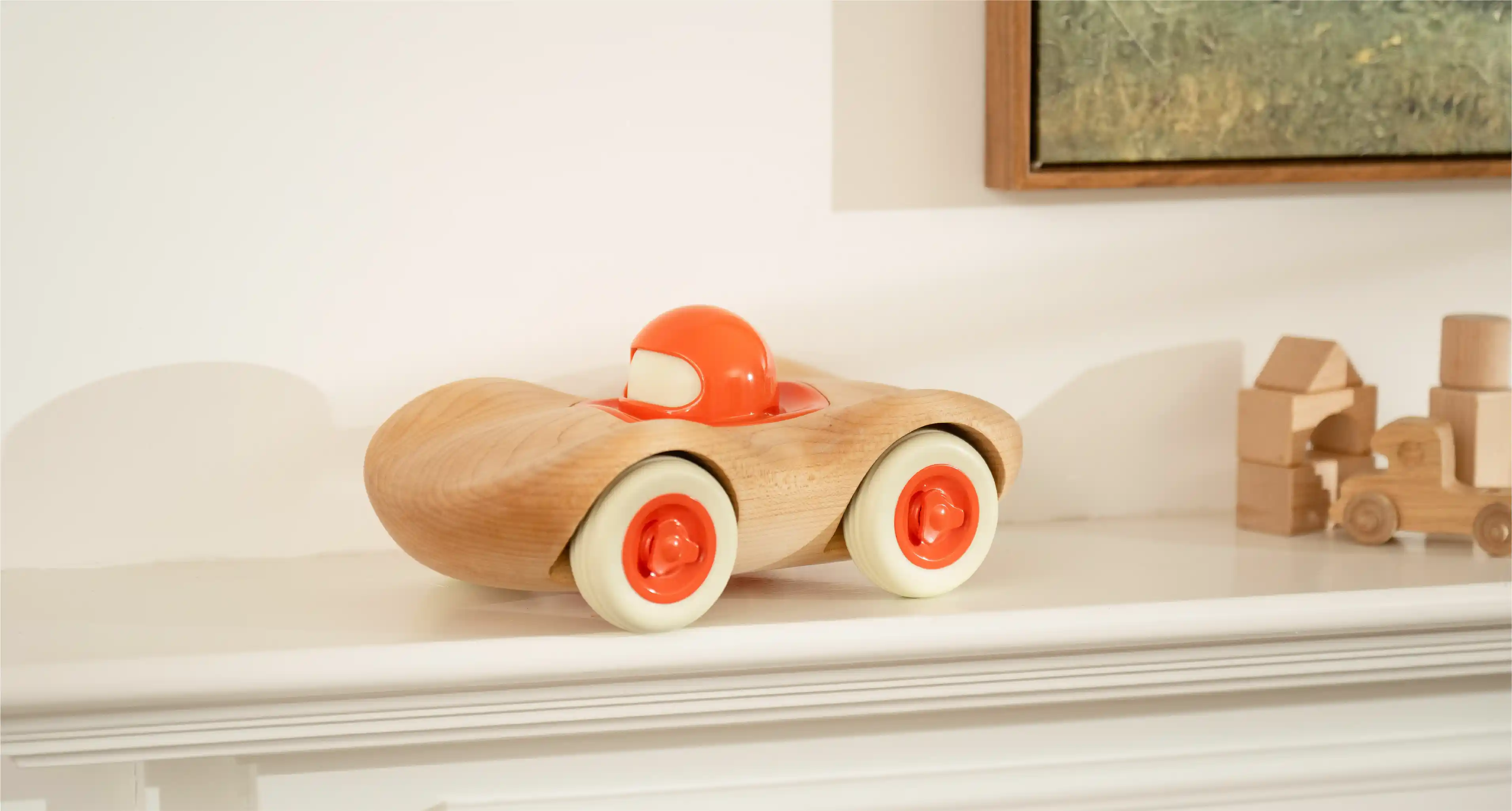
As the Founder and Principal Designer of Goplay, I identified a market gap for heirloom-quality, automotive-inspired toys that bridge the divide between playthings and collectibles. This project was an exercise in total ownership—taking a concept from an initial napkin sketch through engineering, global sourcing, safety certification, and go-to-market strategy.
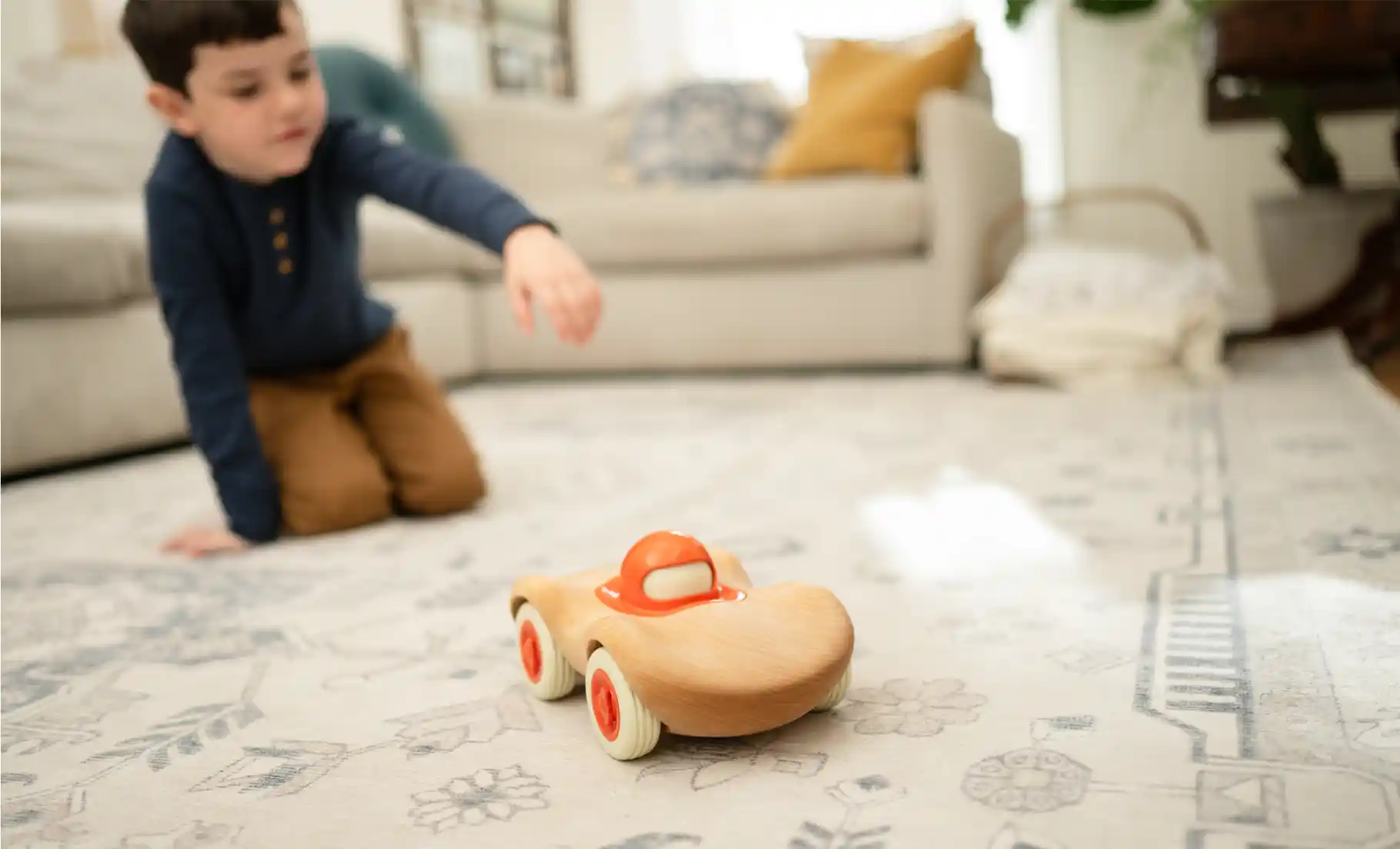
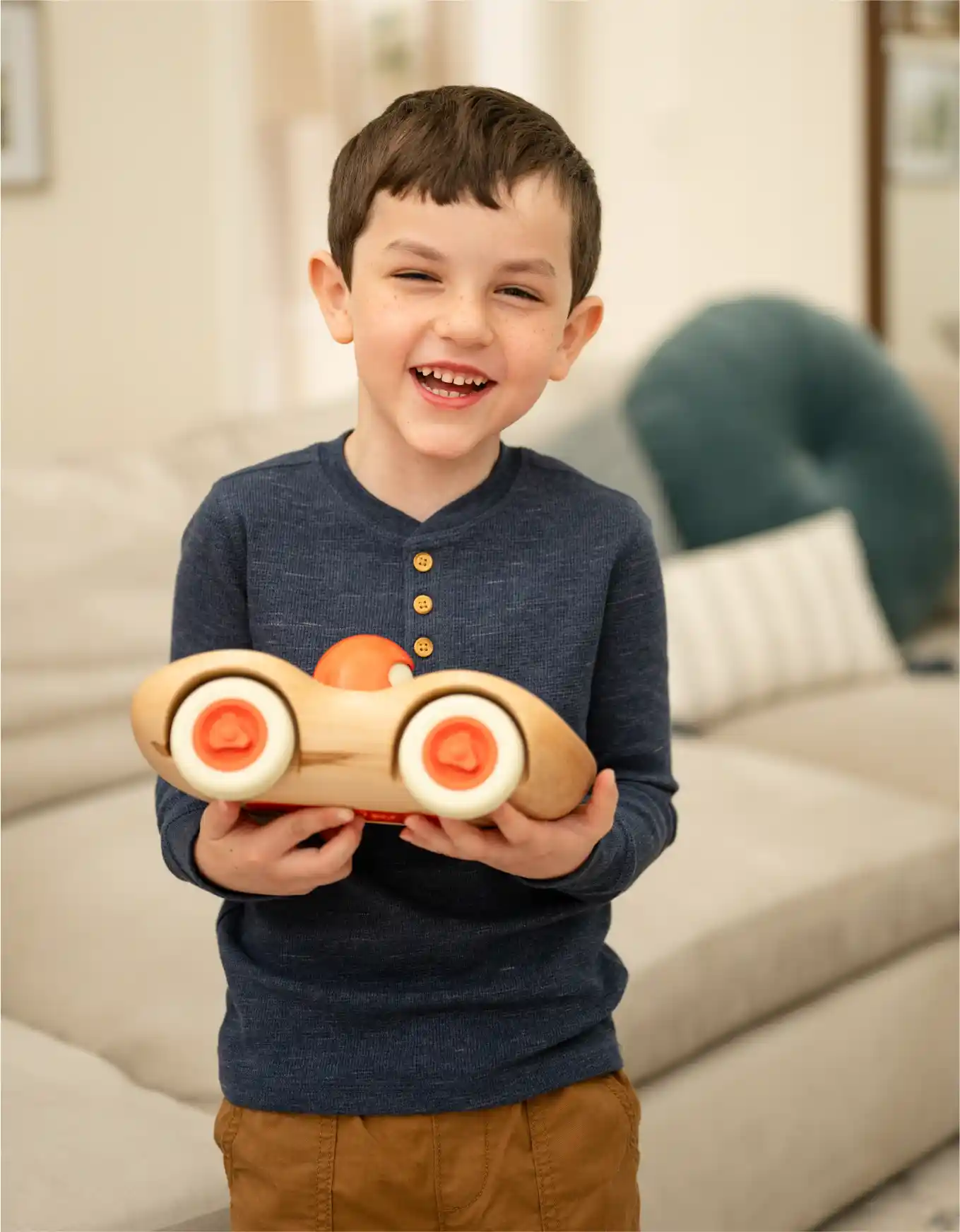
The result is the Goplay Roadster: a modular, mixed-material product designed to last generations, not just a season.
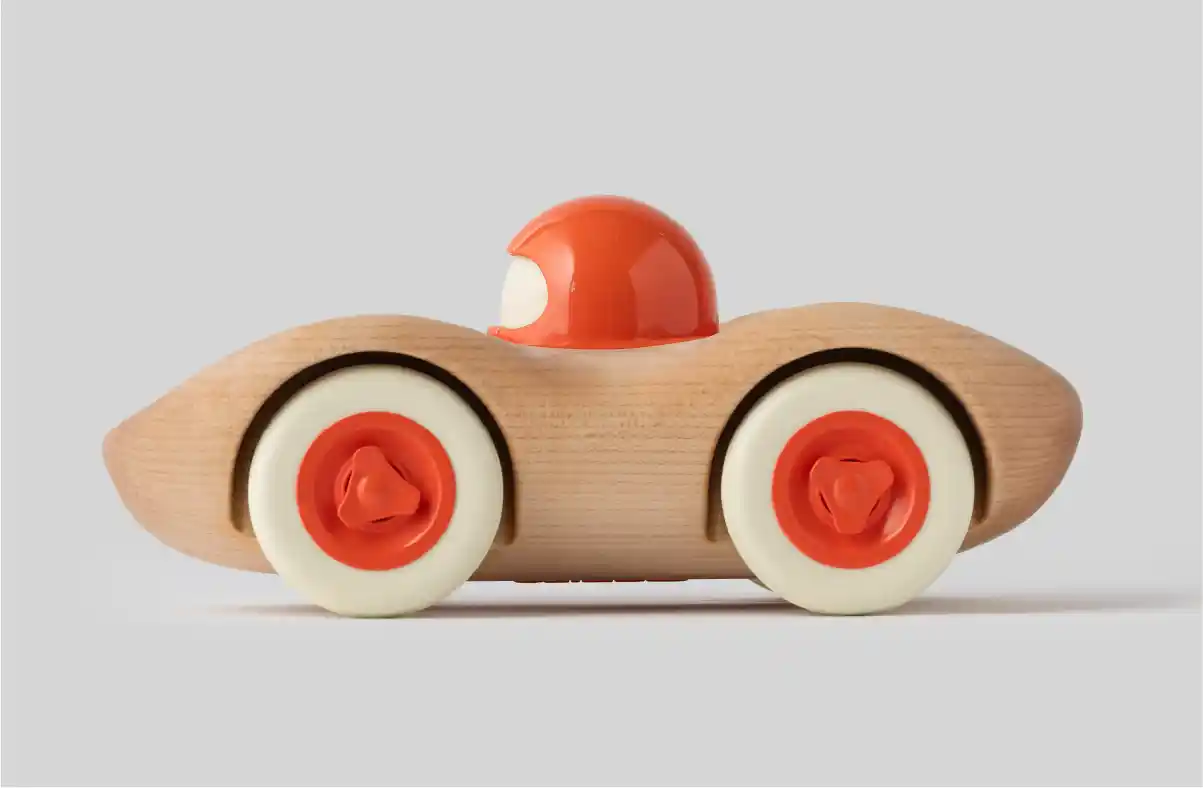
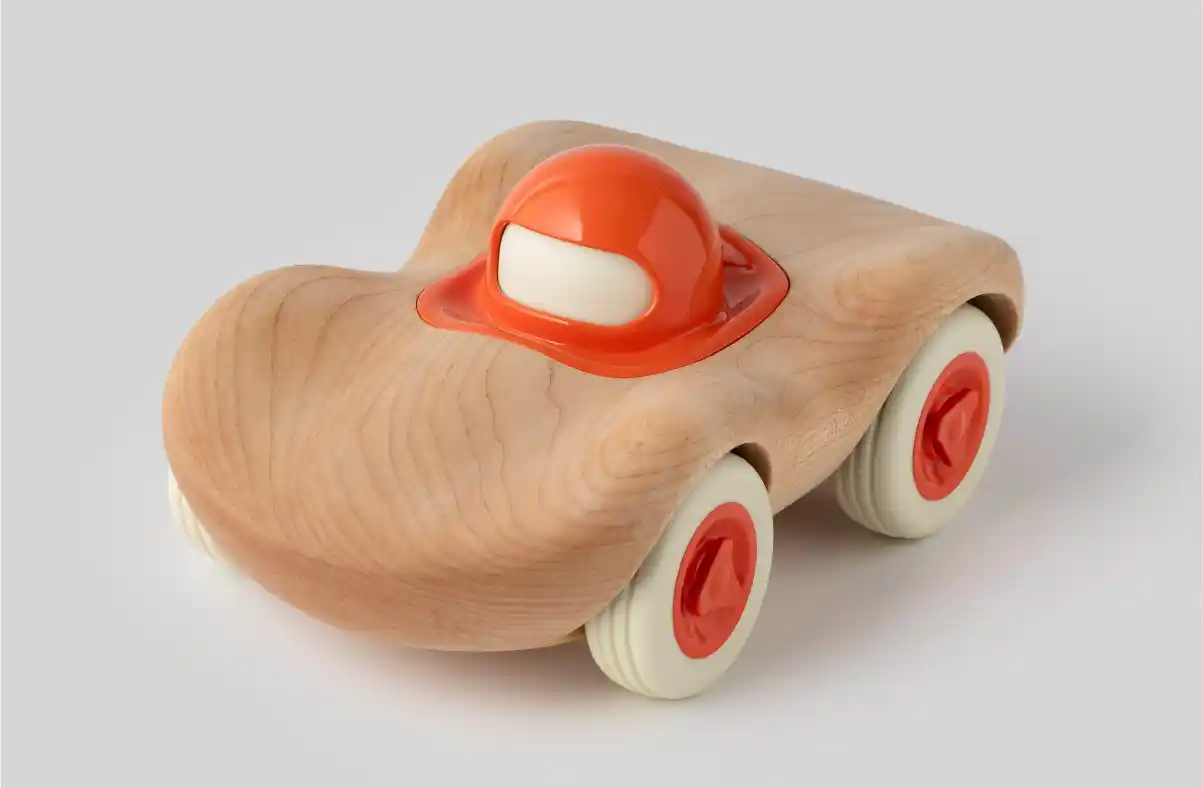
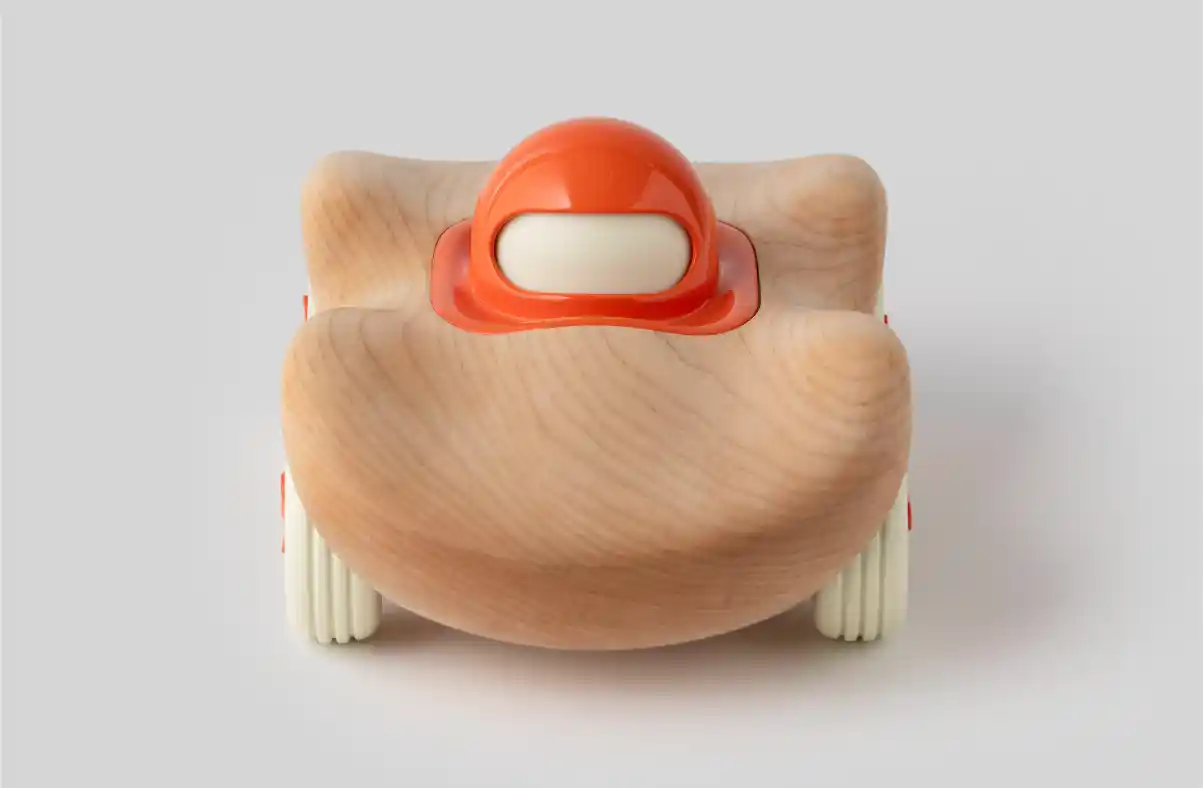
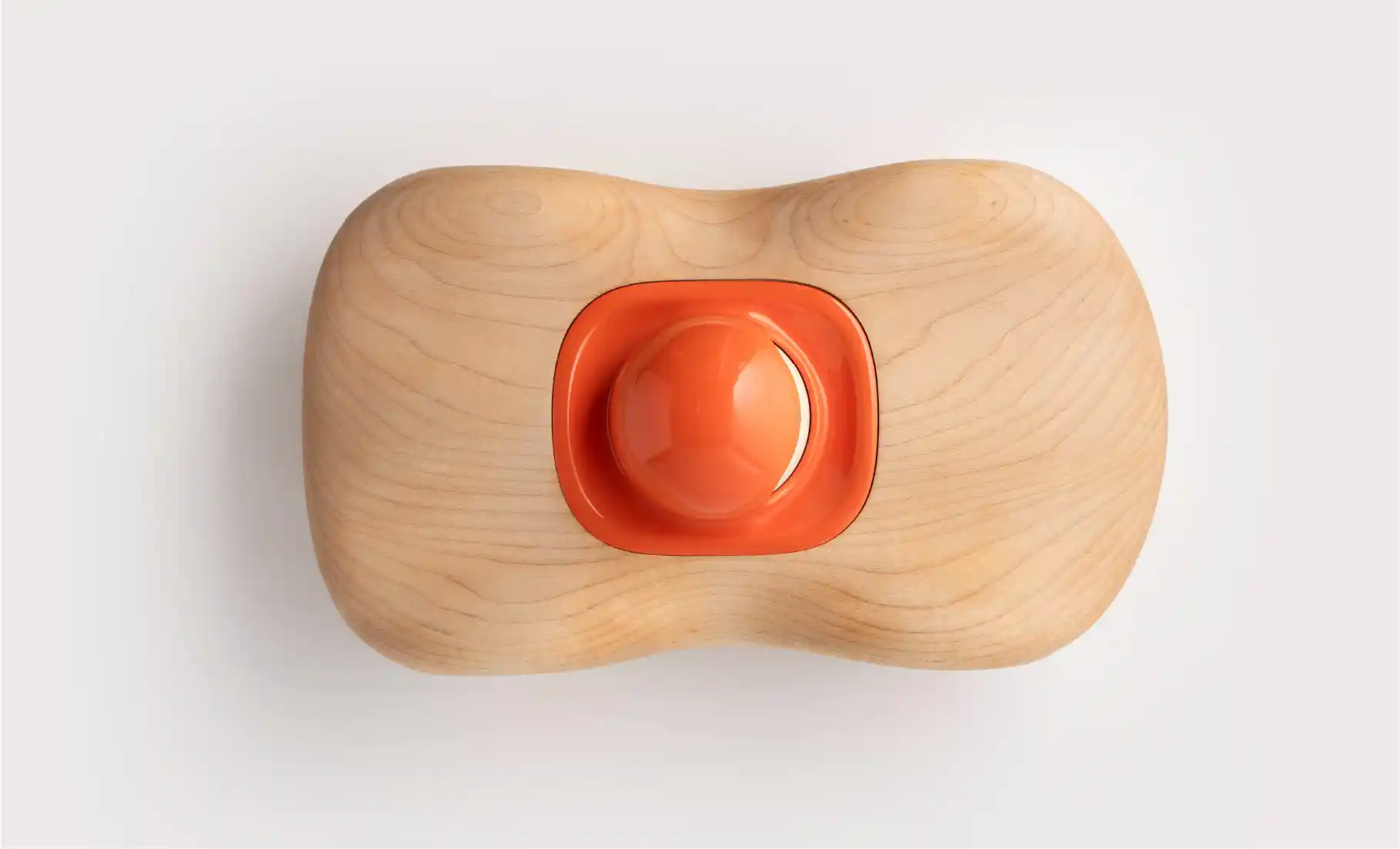
The ideation phase prioritized a dual purpose: creating an object equally at home on the living room floor or an executive desk. I distilled the automotive form down to its essence, balancing durability for play with a sophisticated, timeless silhouette.

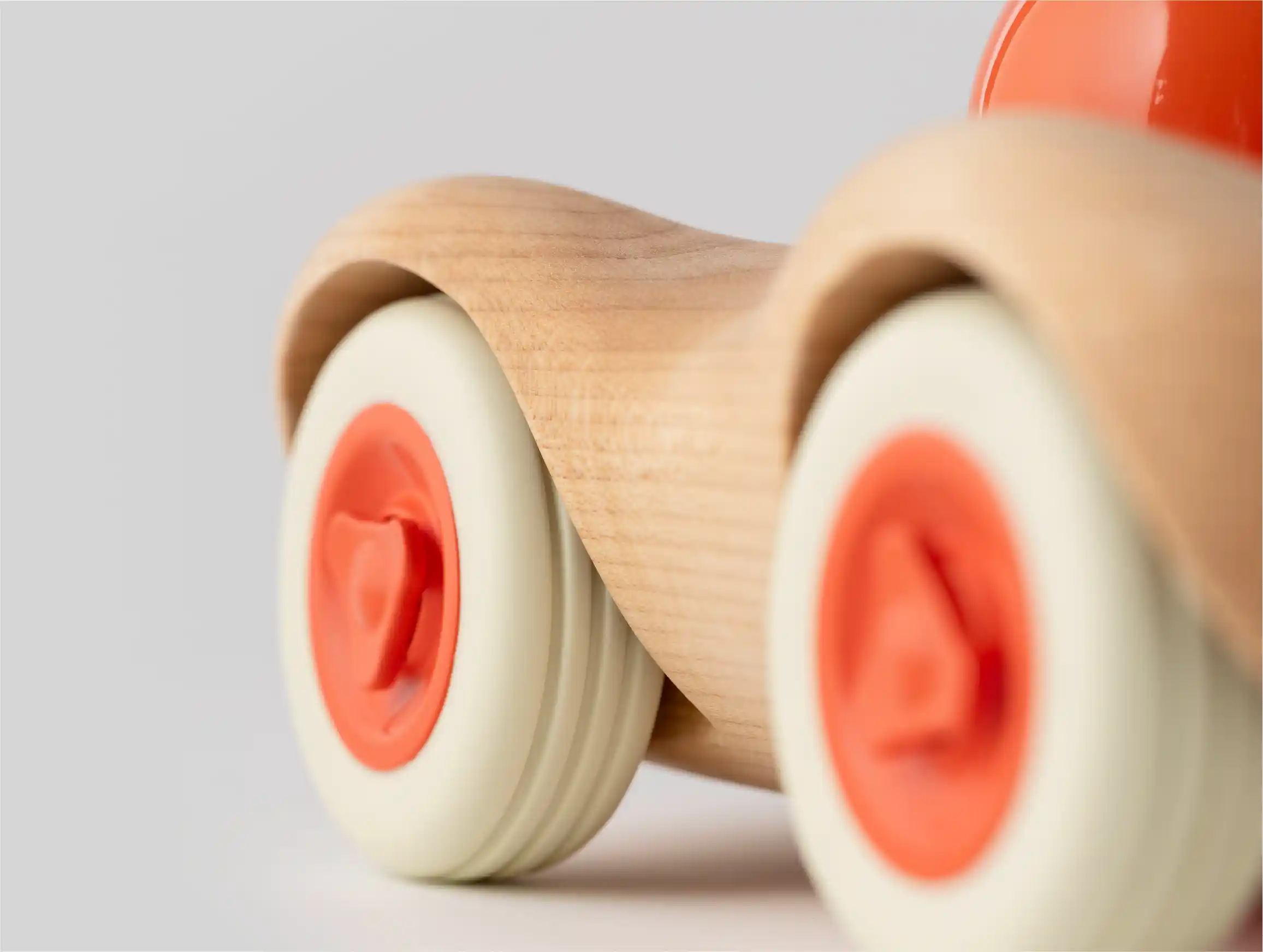
Given the minimalist aesthetic, fidelity of form was paramount. While the molded components were engineered with strict manufacturing constraints, the wooden body leveraged the geometric freedom of multi-axis CNC machining. We sculpted every surface to celebrate this organic capability, resulting in a tactile, luxurious form that appears deceptively simple.
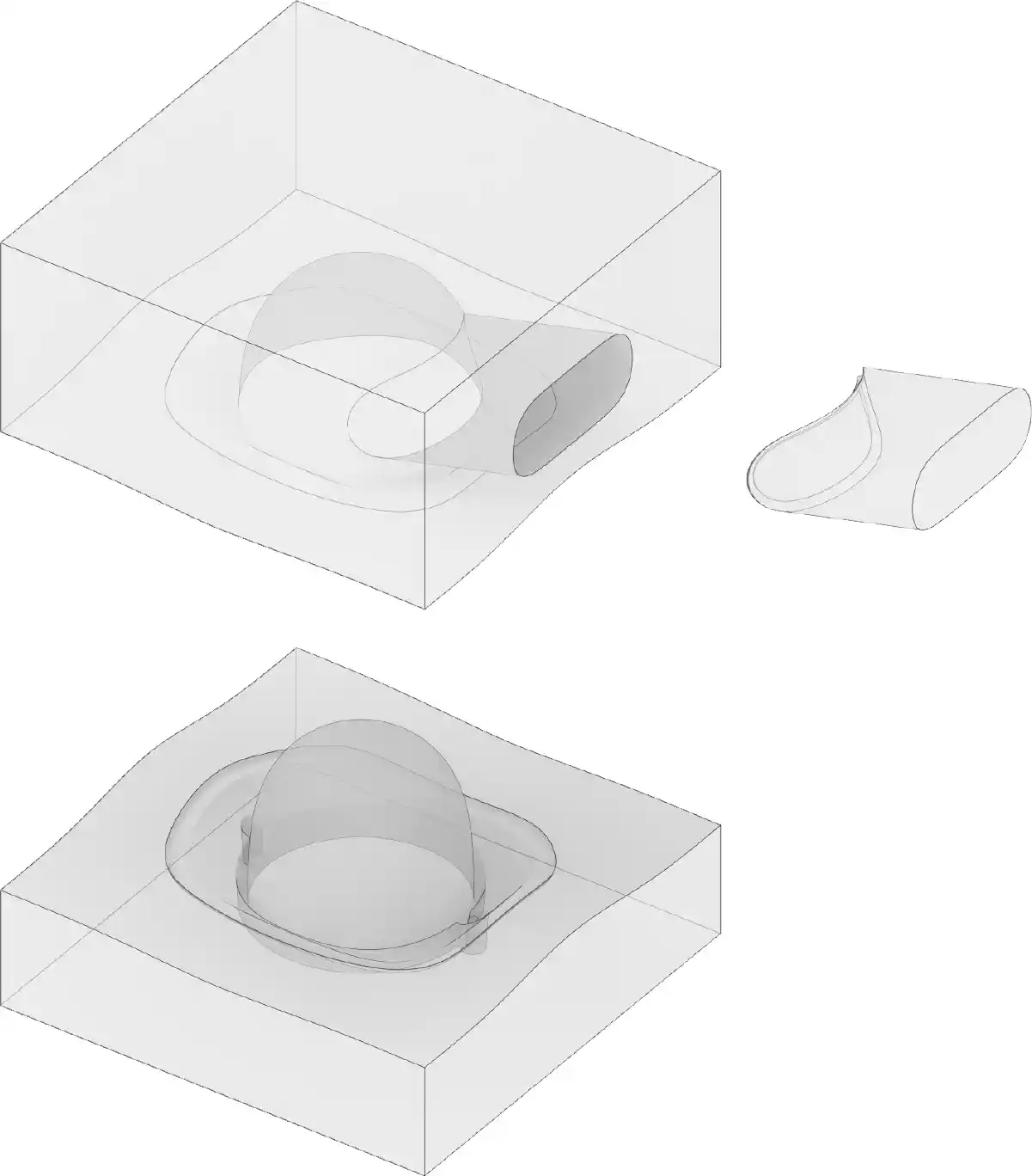
Interior component required additional engineering consideration to create a slide that would form the ‘visor’ portion of the helmet.
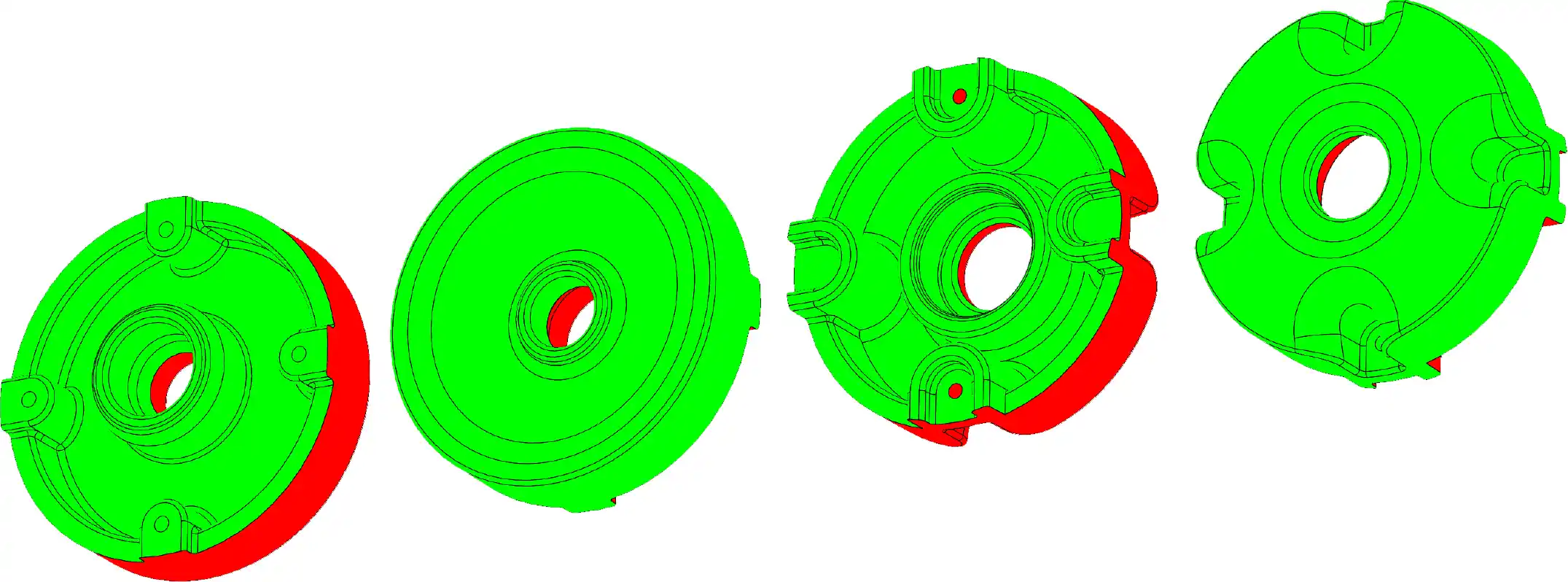
Injection molded components all carefully designed with appropriate draft and open/closed tool layout.
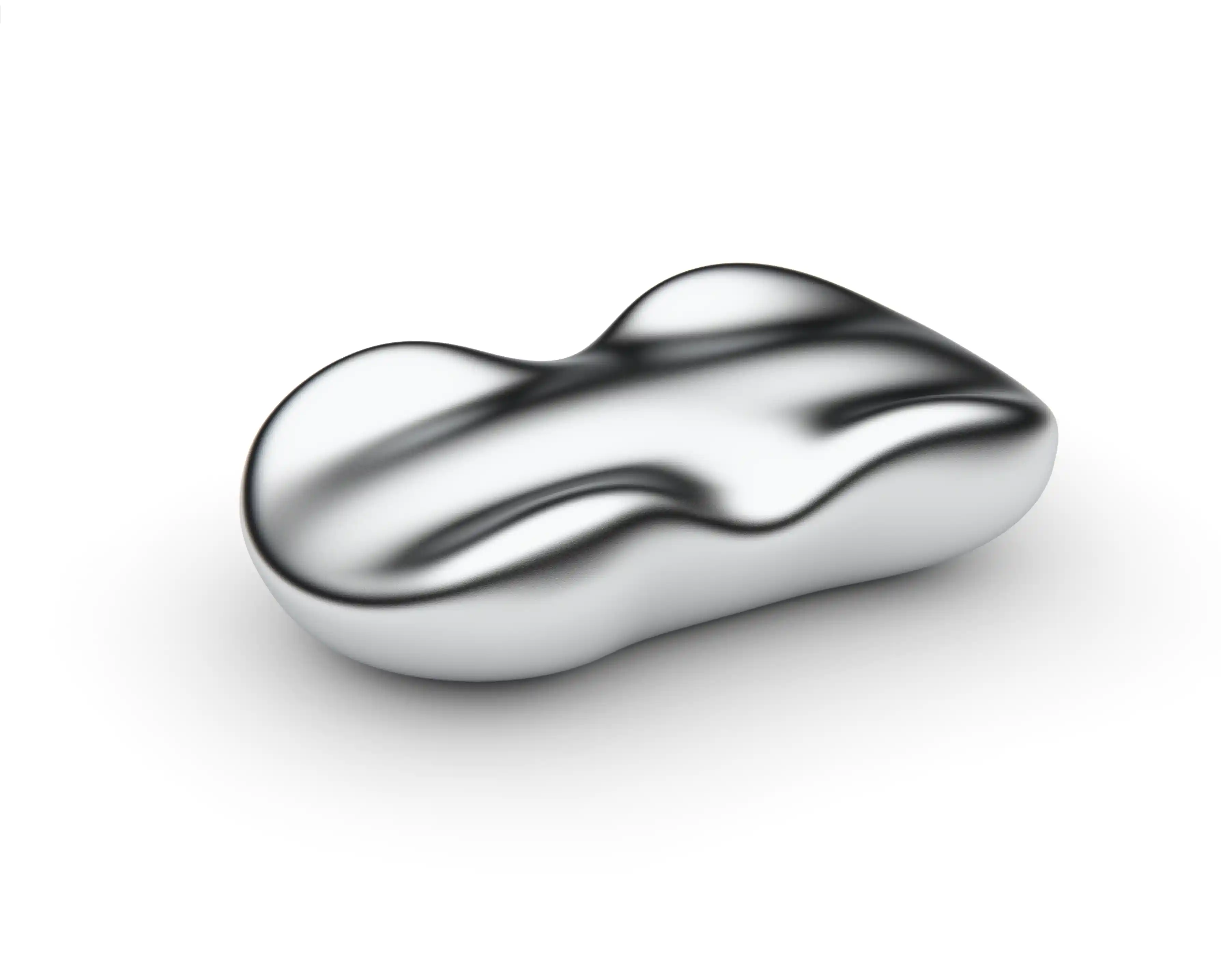
Curvature Analysis: Machined body designed with continuous curvature to ensure a clean, seamless aesthetic.
Every component was optimized for its specific manufacturing process—balancing aesthetic intent with DFM realities. Beyond individual part geometry, the architecture prioritizes efficient assembly, ensuring that hardware, wood, and molded plastic integrate seamlessly into a cohesive product.
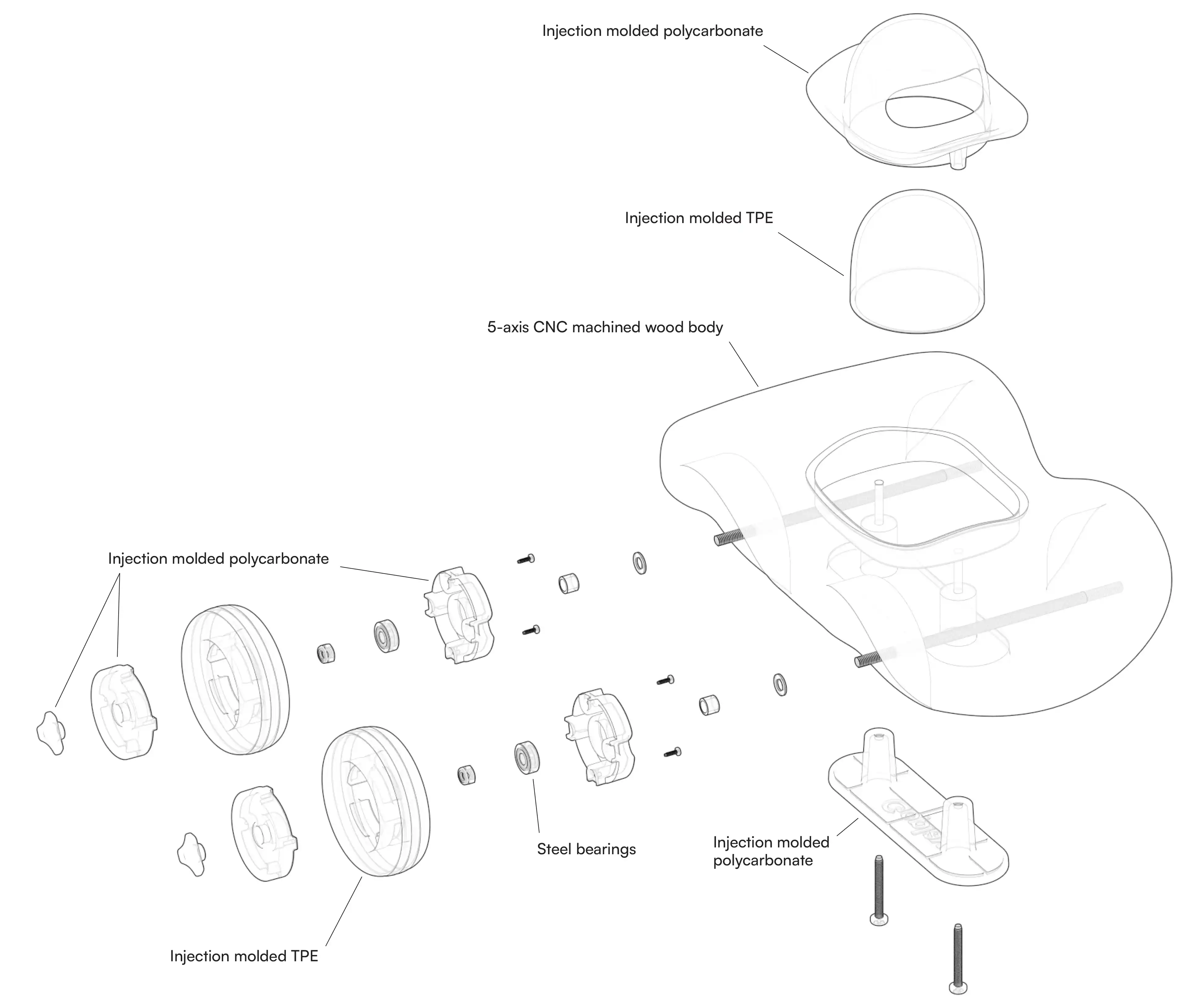
Market Realization: The Goplay Roadster stands as proof that mass production does not require a sacrifice in character. By maintaining strict oversight of vendor quality and surface finish, the final production units remain true to the original artistic intent—delivering a heirloom-quality object that is fully realized and ready for the consumer market.